

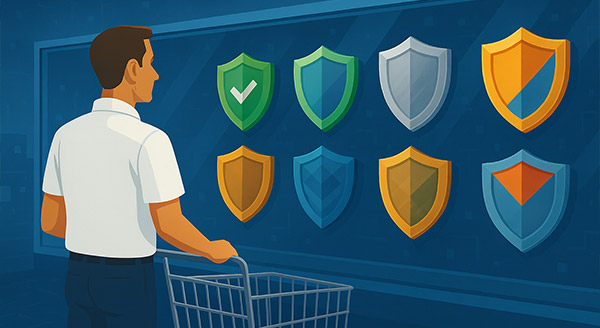
Antivirus has always felt like a “set it and forget it” choice: pick a familiar brand, let it auto-renew, and assume it’s still doing its job. The trouble is that some well-known products haven’t kept pace, and it may be time to rethink the one you already have installed.
Antivirus has changed a lot
Antivirus software used to focus on stopping simple, well-known viruses, but that doesn’t match current threats. Most attacks are designed to trick people rather than drop a single infected file.
We often deal with:
- Fake browser updates that install malware.
- Websites that look real but steal login details.
- Ransomware that locks all your files.
- Malicious ads that compromise trusted websites.
- Password-stealing malware.
Modern security tools need behavior monitoring, strong web filtering, real-time blocking, and reliable ransomware protection. Some brands have adapted, while others have stayed mostly the same.
READ MORE: Is Your Computer Sick?
Big names that lost their edge
Some older antivirus brands built their reputations when everything was sold in retail boxes. Over time, several of these products became heavy, slow, and cluttered. We still see many computers held back by these suites, which include noticeable slowdowns, background tasks that run constantly, frequent pop-ups, and missed detections of common threats.
People often keep these products because they auto-renew each year, but familiar branding doesn’t guarantee adequate protection.
Lab tests are helpful, but real systems tell the truth
Independent testing groups publish detailed results, and these reports matter. They show how products behave in controlled environments.
However, real computers tell a fuller story.
On real systems, we see:
- Which products miss the threats circulating locally.
- Which ones break after Windows updates.
- Which ones slow down browsing or programs.
- Which ones run smoothly for months.
- Which ones generate the most support calls.
A product can score well in the lab but still cause frustrating problems day to day. We rely on both lab data and hands-on experience when recommending anything.
Performance and privacy matter
Security software should protect you without slowing your system. Some products run heavy scans at poor times, use too much memory, or introduce delays whenever you open a program or browser. Good protection should feel invisible.
Privacy is also important. Some antivirus suites collect more data than people realize. We prefer tools that explain clearly what they collect and avoid unnecessary tracking.
READ MORE: How Do Websites Use My Data?
Free or paid?
Products like Windows Defender, which is included in Windows, provide basic coverage out of the box, but it may not offer a robust and dependable antivirus solution. And if you do get a virus will Microsoft help you resolve the issue?
A paid product is worthwhile if you want stronger phishing protection, additional ransomware protection, safer online banking, or coverage across several devices.
It comes down to how you use your computer, how much you have to protect, and whether others in the household may click on something risky.
What we recommend
At Hopedale Technologies, we keep your computer protected using VIPRE Managed Antivirus. It runs quietly in the background and updates itself automatically, checking for new threats every hour so you’re always protected with the latest security.
We also keep an eye on things for you. Through our monitoring system, we make sure your antivirus is running properly and staying up to date. If something doesn’t look right, we’re alerted right away and can take care of it—often before it turns into a problem.
How we can help
If you want protection that actually works, we can review your current antivirus and remove outdated or conflicting software and install Managed Vipre Antivirus and set it up correctly.
If you’re unsure whether your current antivirus is still doing its job, we can take a look and give you an honest recommendation based on what we see every day on real customer machines.

